
April 27, 2026
Latest news from [Company name].
Why Most SME Funding Applications Fail Before They are Even Read
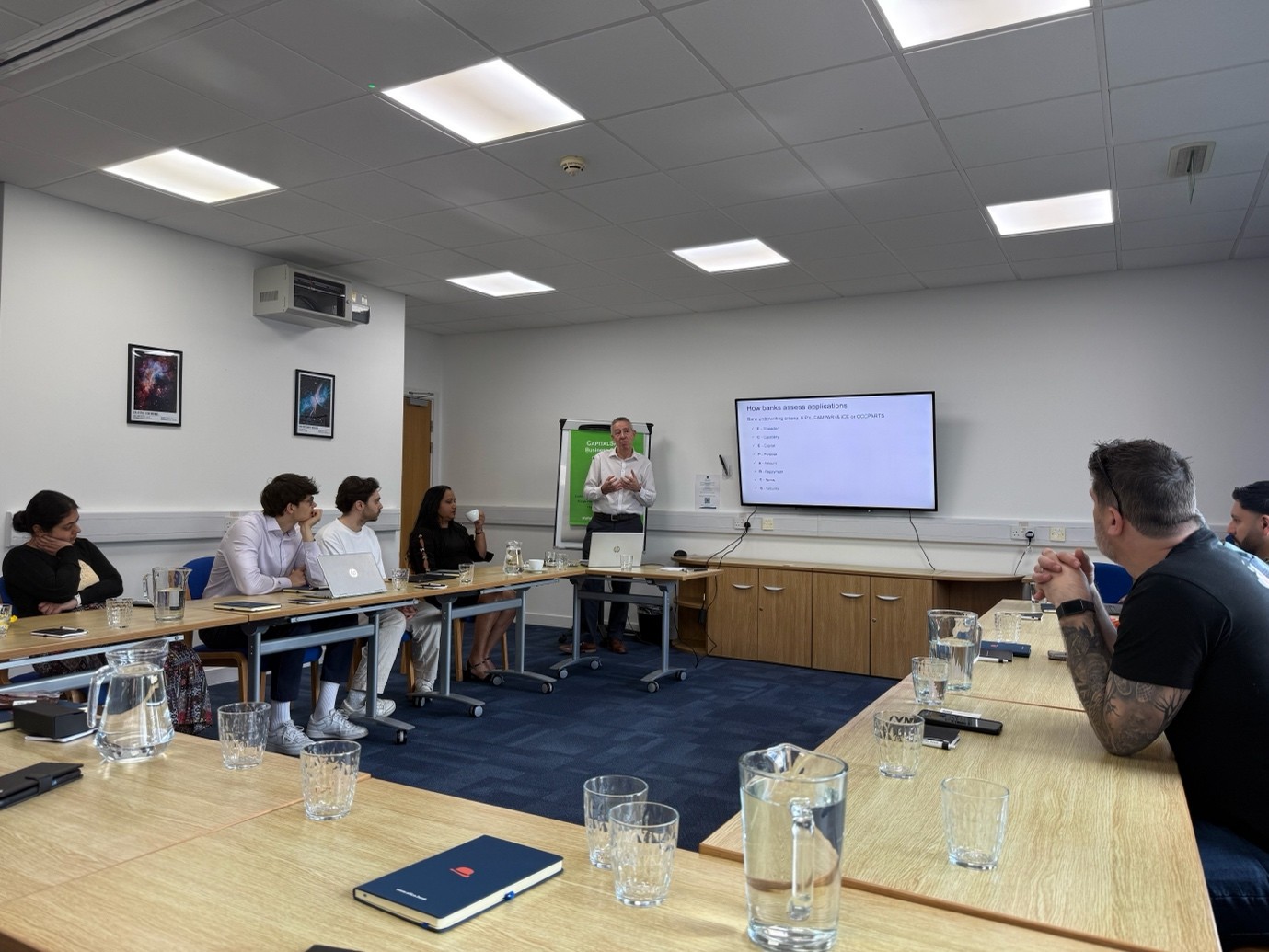
On 20 April, we hosted a room full of SME owners and finance leads at the Milton Keynes Business Centre for a frank conversation about raising finance. The most uncomfortable takeaway of the afternoon.
The businesses that get funded in today’s market are not always the best businesses — they are the best prepared.
Gayani Subasinghe, our Senior Manager, opened the session by grounding the discussion in why SMEs actually need debt funding — working capital, growth, asset investment, bridging cash flow gaps, or restructuring existing debt. The problem, she noted, is that many owners cannot clearly articulate which of these they are solving for. And if you cannot, a lender certainly can’t.
The warning signs most owners miss
A profitable business can still be a fragile one. Gayani walked the room through five triggers that signal it’s time to think seriously about funding:
Revenue growing but cash is not. Ageing assets and declining productivity. Profits on paper but a thin bank balance. Frequent overdraft use and rising creditor days. A tangle of high-cost, short-term debt quietly draining margin.
If two or more sound familiar, the conversation needs to happen before you need the money — not when you need it.
What “funding-ready” actually looks like
Our view at Alexander Rosse is direct: your accountant should not just prepare accounts. They should help you become fundable. In practice, that means up-to-date financials, robust cash flow forecasts, a clean balance sheet, a clear credit profile for the business and its directors, a credible funding narrative, and early engagement with advisors — long before you apply.
Most applications do not fail because the business is not good enough. They fail because the preparation is not.
In our next piece, we share what lenders themselves told the room about how they assess applications — and the common reasons they say no.
What Lenders Actually Look For — And Why They Say No
Insights from our Milton Keynes SME finance event.
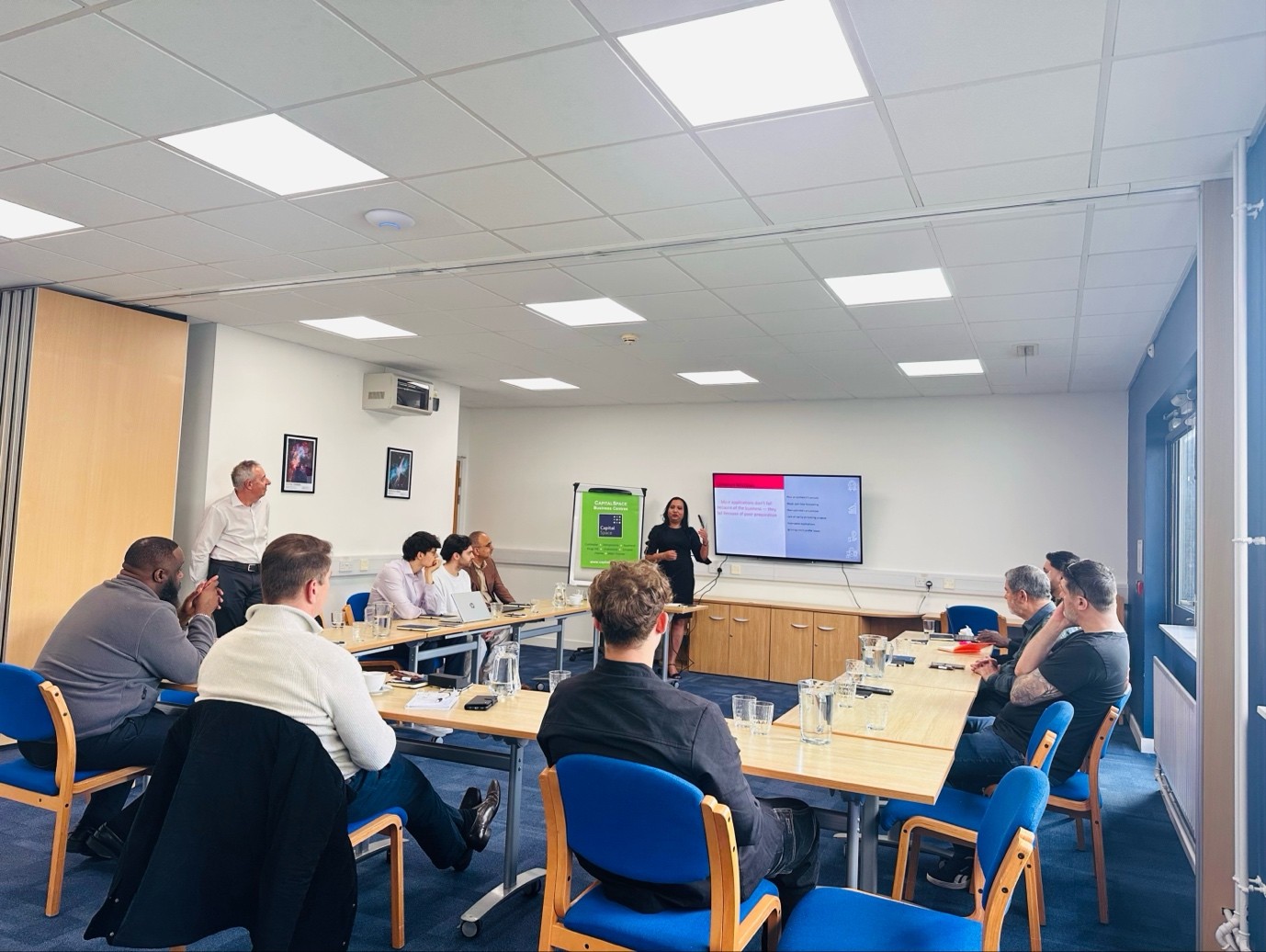
In the second half of our event at Milton Keynes Business Centre, Alan Andrews of Allica Bank took the room inside the lender’s side of the table, with his colleague Chris Webster contributing throughout. What followed was the most candid thirty minutes many attendees said they’d had on the subject.
How banks really assess you
Lenders use well-established frameworks — the 8 P’s, CAMPARI, CCCPARTS — but Alan stripped them back to what they all test for: Character. Capability. Capital. Purpose. Amount. Repayment. Terms. Security. If your application doesn’t clearly answer all eight, it will not get over the line.
He was clear on what happens before a banking relationship even begins: identity and beneficial ownership checks, source of funds and wealth, trading locations, sanctions and adverse media screening. Many SMEs underestimate how much due diligence happens before the conversation about money even starts.
Why applications get declined
Chris chipped in on the most common reasons applications fall over — and reassuringly, few of them are dramatic:
Adverse credit history, business or personal. Repayment capability not evidenced. A weak or unconvincing business plan. Insufficient collateral. And sometimes, Alan added with refreshing honesty, “it’s not you, it’s us” — the request simply sits outside a particular lender’s appetite. That’s why maintaining relationships with a range of lenders matters.
The practical fix
Alan’s advice for building a successful application was straightforward. Tell the story behind the financials — explain anything exceptional. Provide forecasts with proper commentary, because the assumptions matter as much as the numbers. Clean the balance sheet. Set out a clear funding proposal. Be explicit about risks and your mitigations. Engage early and engage with more than one lender.
The closing thought from the session stuck:
Finance is available. Competition for it is higher. Preparation is the difference between approval and rejection.
If you would like to understand how your business looks through a lender’s eyes — before you approach one — we would welcome a conversation.
With thanks to Alan and Chris for joining us, and to everyone who came along.
April 27, 2026